
How Weather Conditions Can Affect Your Semi Trucks
Weather conditions can create a variety of challenges for semi trucks, affecting everything from traction and visibility to engine performance and overall stability. Rain, snow, ice, strong winds, and extreme heat can place additional demands on both trucks and drivers, increasing the potential for mechanical issues and unsafe road conditions. Understanding how different types of weather affect truck performance can help drivers and fleet managers take appropriate precautions before and during a trip. Regular maintenance, careful driving, and preparation for changing conditions can all help reduce weather-related risks and keep trucks operating reliably on the road.
Understanding Weather-Related Truck Challenges
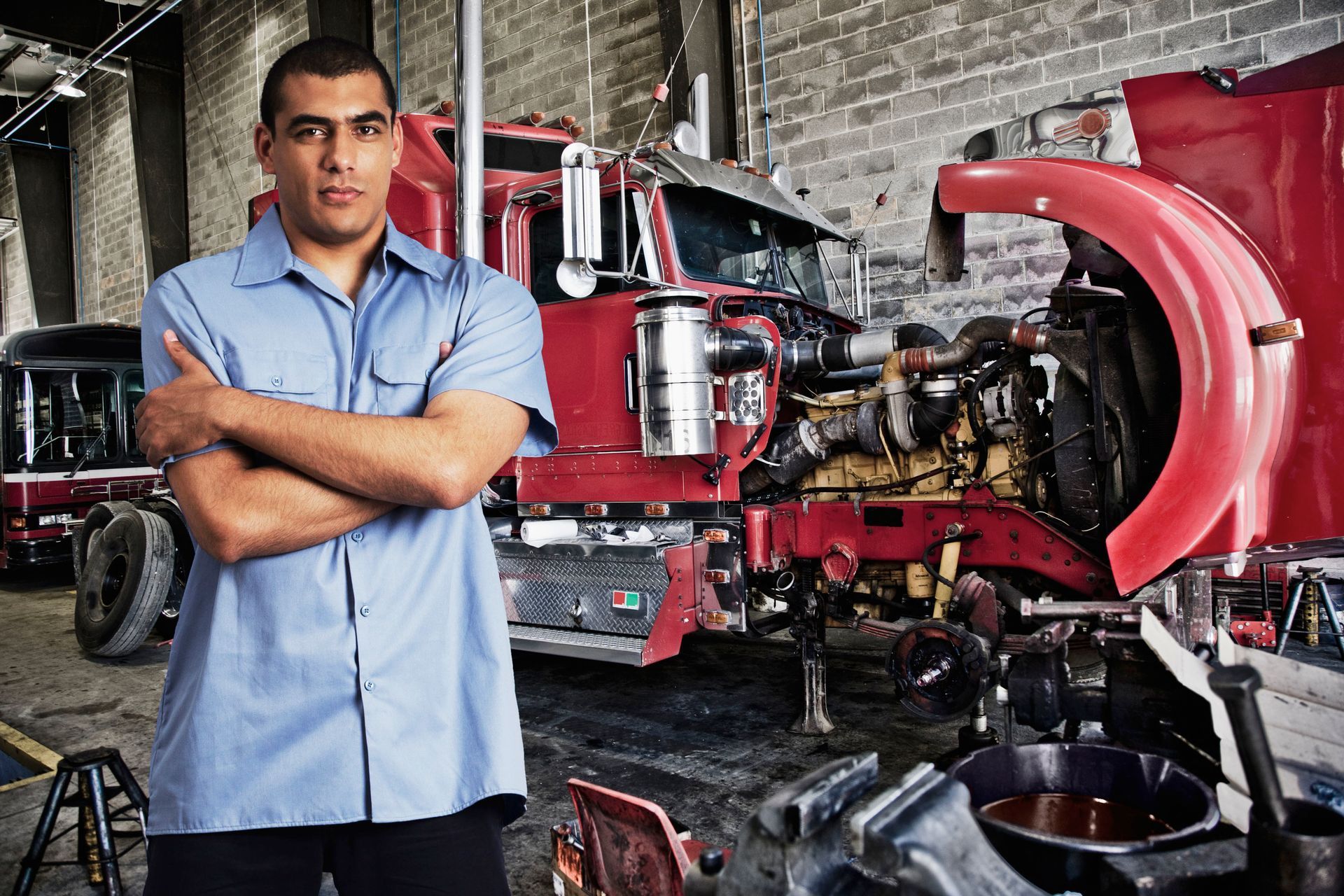
Weather conditions can affect nearly every aspect of semi truck operation, from traction and visibility to engine performance and vehicle stability. According to the American Trucking Associations, trucks moved roughly 72.6% of the nation's freight by weight in 2022 alone. With so much freight relying on trucks, preparing vehicles and drivers for changing weather is essential. A qualified semi truck mechanic can help keep critical systems maintained so trucks are better prepared for challenging conditions.
Managing Rain-Related Road Hazards
Maintaining Traction on Wet Roads
Rain reduces friction between tires and pavement, making it harder for semi trucks to maintain traction. The risk increases during heavy rainfall, when standing water can cause hydroplaning. Drivers should reduce speed, avoid sudden maneuvers, and leave additional space between vehicles. Proper tire tread depth and inflation are also important for maintaining grip on wet roads.
Increasing Stopping Distance
Wet pavement can increase the distance required to bring a fully loaded truck to a stop. Drivers should anticipate traffic changes and begin braking earlier than they would on dry roads. Anti-lock braking systems can help maintain steering control during hard braking, but these systems still require routine inspection. A semi truck mechanic can check braking components and identify problems before they affect performance.
Improving Visibility in Rain
Heavy rain can make it difficult to see lane markings, other vehicles, and potential obstacles. Functional windshield wipers, washers, headlights, and mirrors are essential during storms. Drivers should also increase following distances and reduce speed when visibility becomes limited. Regular inspection of these components helps ensure they are ready when severe weather develops. A semi truck mechanic can also inspect these systems as part of routine truck maintenance.
Preparing for Snow and Ice
Recognizing Black Ice Hazards
Black ice can be difficult to see and can dramatically reduce traction. Bridges, overpasses, shaded areas, and roads exposed to freezing temperatures may be especially vulnerable. Drivers should slow down, avoid abrupt steering or braking, and remain alert for changing road conditions. Proper tires and well-maintained braking systems can also help a truck respond more predictably.
Removing Snow and Ice
Snow and ice should be removed from the truck before travel. Accumulated snow can obstruct visibility and create hazards if it falls from the vehicle while traveling. Ice on mirrors, windshields, lights, and other surfaces can also interfere with safe operation. Drivers should take time to clear these areas and verify that heating and defrosting systems are functioning properly.
Maintaining Cold-Weather Engine Performance
Freezing temperatures can make starting and operating a truck more difficult. Cold weather can affect engine fluids, batteries, fuel systems, and other components. Regular maintenance becomes especially important before extended winter travel. A semi truck mechanic can inspect batteries, fluids, belts, hoses, and other engine components to help identify issues that may become more serious in freezing weather.
Using Winter Traction Equipment
Chains and appropriate winter tires can provide additional traction when roads are covered with snow or ice. Drivers should know how to install and use chains when conditions or local requirements call for them. Tires and chains should also be inspected for damage and excessive wear before use. Preparing this equipment in advance can reduce delays when winter weather arrives.
Handling Wind and Vehicle Stability
Managing Crosswind Forces
Strong crosswinds can push a semi truck sideways and make steering more difficult. The effect can be especially noticeable on bridges, open highways, and exposed stretches of road. Drivers should reduce speed, maintain a firm grip on the steering wheel, and avoid unnecessary lane changes. Staying alert for sudden gusts is also important because wind conditions can change quickly.
Reducing Trailer Sway
High winds can cause trailers to sway from side to side. Sudden steering movements or excessive speed can make the problem worse. Drivers should maintain a controlled speed and avoid abrupt maneuvers when winds are strong. Properly functioning stability and suspension components can also contribute to predictable vehicle handling. Having a semi truck mechanic inspect these components regularly can help identify potential problems before they affect stability.
Balancing and Securing Loads
Proper cargo distribution is important for stability in windy weather. An uneven or poorly secured load can make a truck more difficult to control when exposed to strong gusts. Cargo should be distributed appropriately and secured according to applicable requirements. Drivers and fleet managers should also inspect securing equipment regularly to help prevent shifting during transit.
Managing Extreme Heat
Protecting Engine and Cooling Systems
High temperatures place additional stress on engines and cooling systems. Overheating can cause serious mechanical problems and interrupt a trip. Coolant levels, radiators, hoses, belts, and other cooling components should be inspected as part of regular maintenance. Addressing small problems before hot weather travel can help prevent more significant breakdowns.
Monitoring Tire Pressure
Hot weather can affect tire pressure and increase the risk of tire-related problems. Drivers should check tires regularly and follow appropriate inflation recommendations. Tires that are worn, damaged, or improperly inflated can become more vulnerable under demanding conditions. Routine inspections help identify potential issues before they create a roadside problem.
Checking Air Conditioning Systems
A functioning air conditioning system is important for driver comfort during extended periods of hot weather. Problems with cooling systems can make long trips more difficult and may signal underlying component issues. Drivers should report unusual noises, weak airflow, or inadequate cooling promptly. Regular service can help keep the system operating effectively during periods of extreme heat.
Preparing for Severe Weather
Monitoring Changing Conditions
The weather can change quickly during a long-haul route. Drivers should monitor forecasts and road conditions before departure and throughout a trip. Fleet managers can use weather information to adjust routes, departure times, or travel plans when conditions become dangerous. Knowing when to delay travel can be just as important as knowing how to drive through changing conditions.
Maintaining Critical Truck Systems
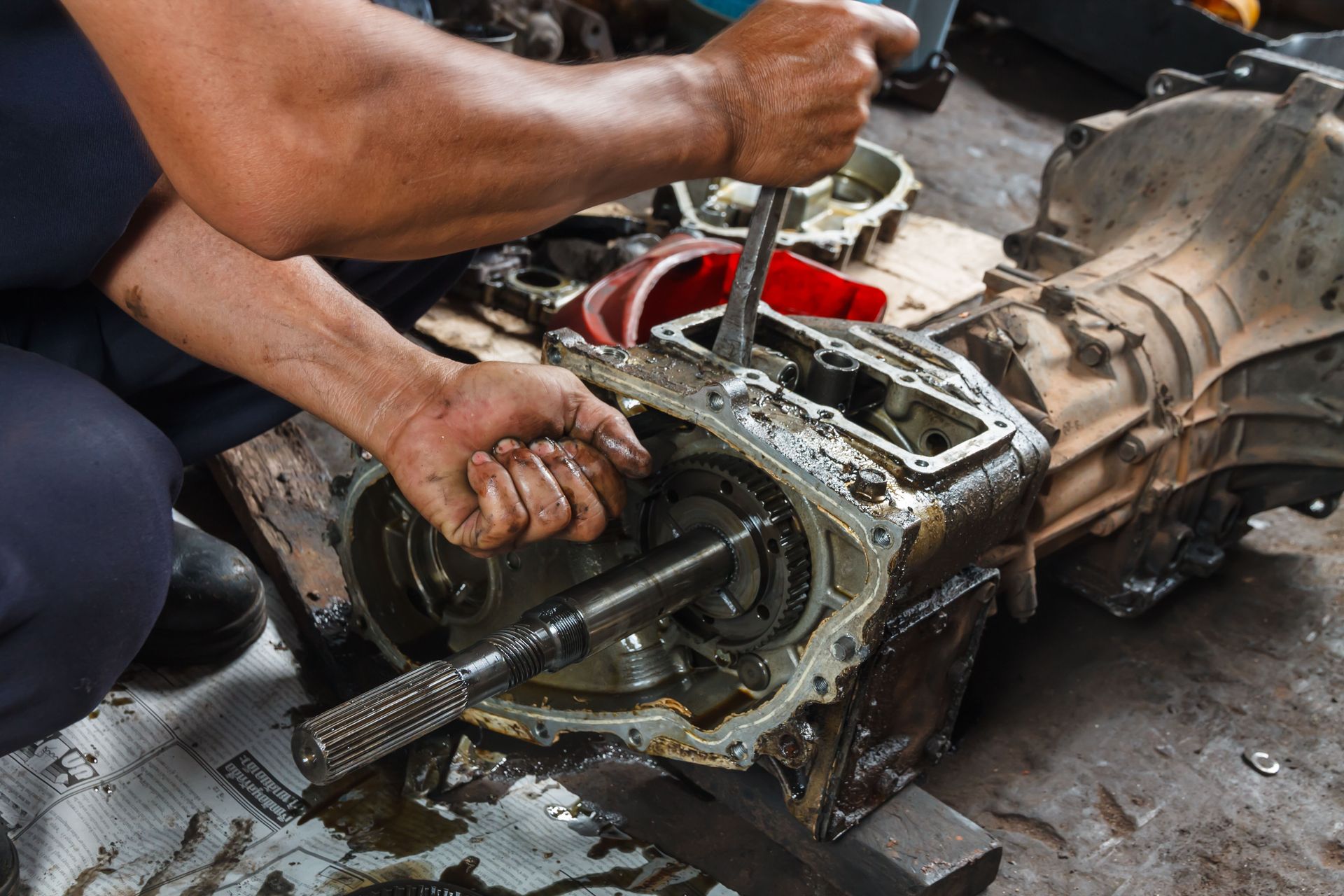
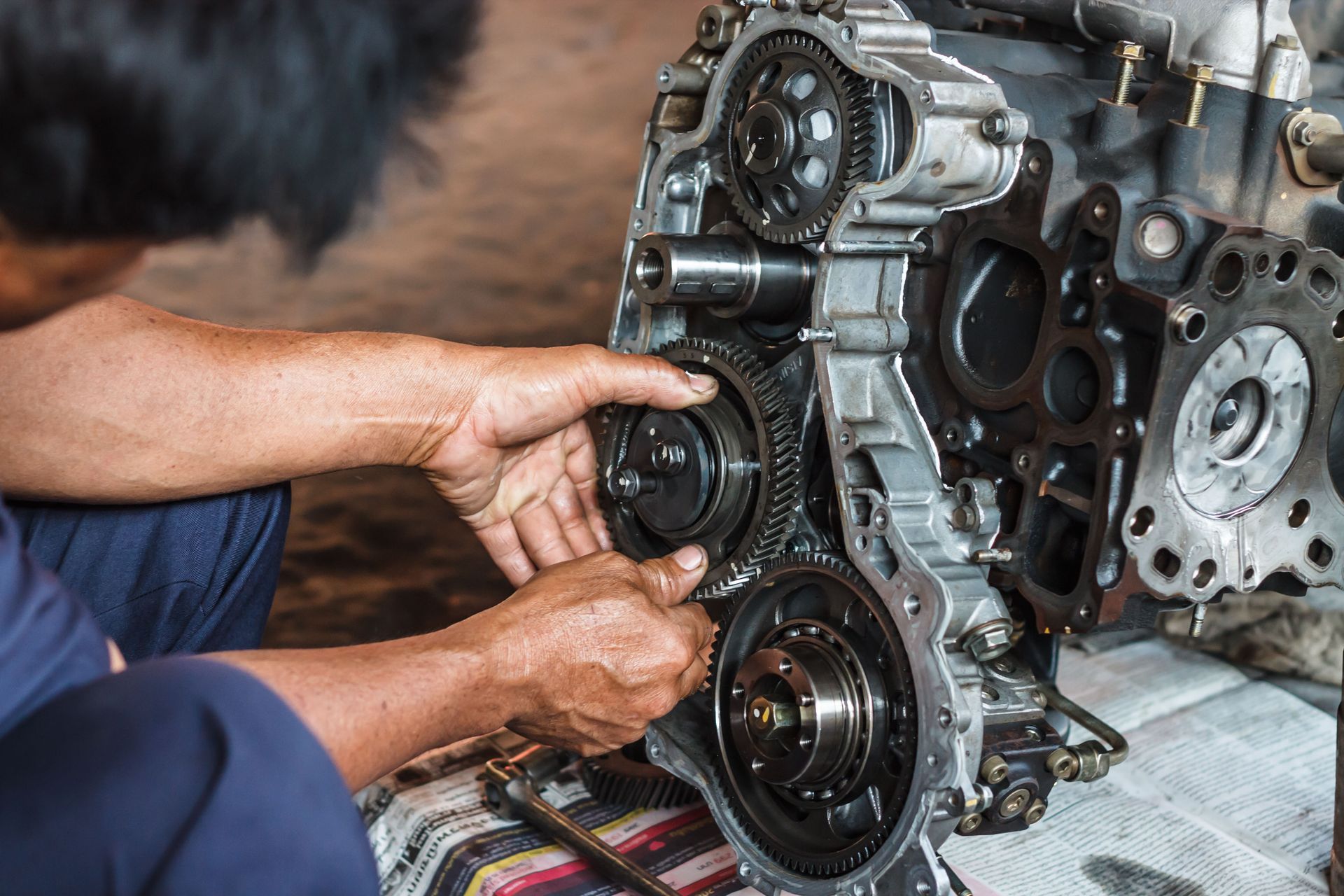
Weather preparation starts with a truck that is mechanically ready for the demands of the road. Tires, brakes, lights, batteries, fluids, wipers, suspension components, and other systems should receive regular attention. Working with a qualified semi truck mechanic can help fleets identify worn components and address maintenance needs before severe weather creates additional stress.
Keeping Semi Trucks Ready for Any Weather
Rain, snow, ice, wind, and extreme heat can all create different challenges for truck drivers and fleet operators. These conditions can affect traction, visibility, braking, engine performance, tires, and overall vehicle stability. While careful driving is essential, reliable equipment is equally important when navigating changing weather. Routine inspections and timely repairs can help identify worn or damaged components before they contribute to a breakdown or safety issue. Preparing trucks for seasonal weather can also help minimize unexpected downtime and support safer, more efficient travel.
Keeping up with maintenance is especially important for trucks that regularly travel long distances or encounter changing weather conditions along their routes. Checking critical systems before severe weather arrives can give drivers greater confidence and help fleet operators avoid preventable disruptions. When trucks need dependable maintenance, inspections, or repairs, Big Rig Truck Accessories can help keep essential equipment ready for the road. Contact the team to learn more about maintaining your trucks and preparing them for changing weather conditions.

Share On: